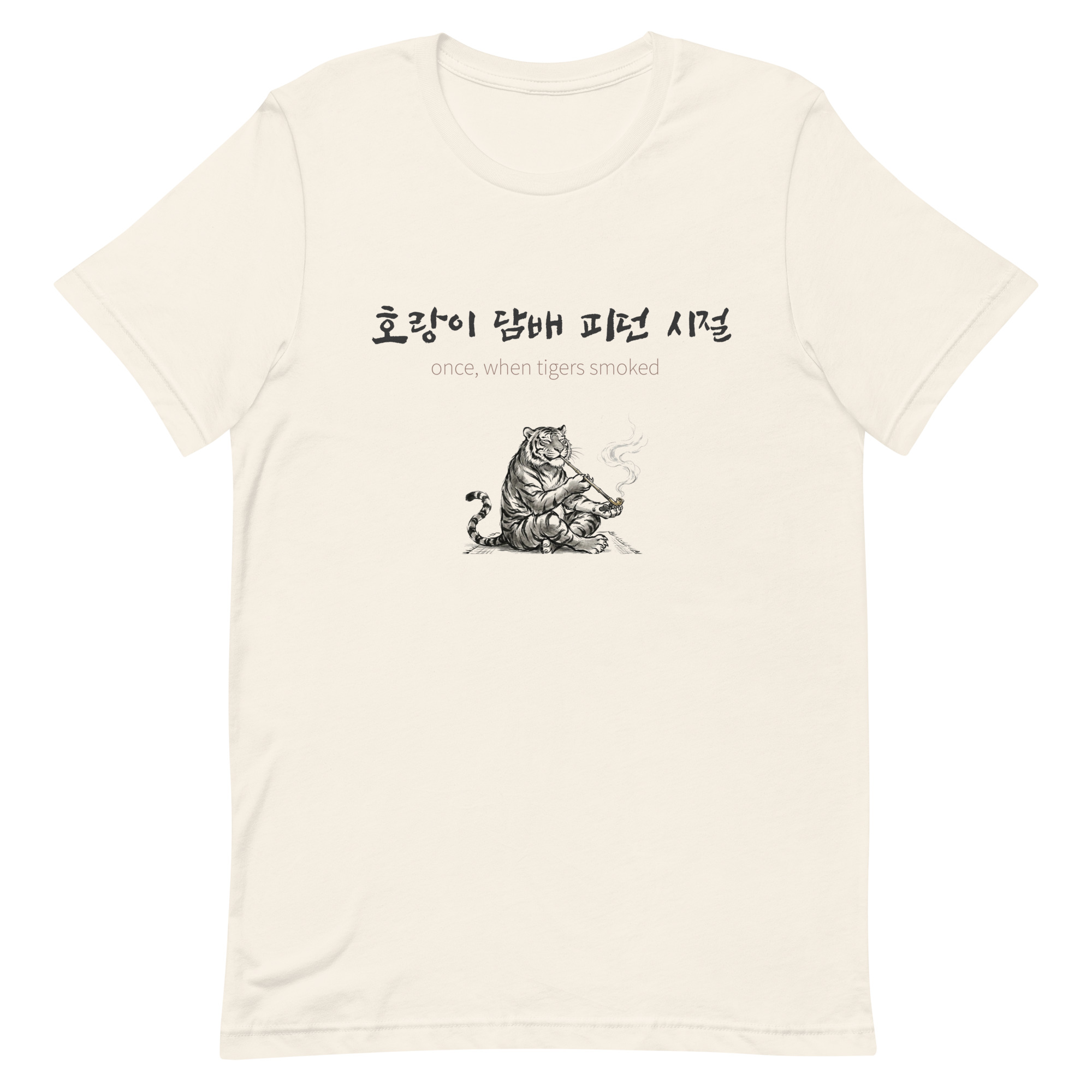
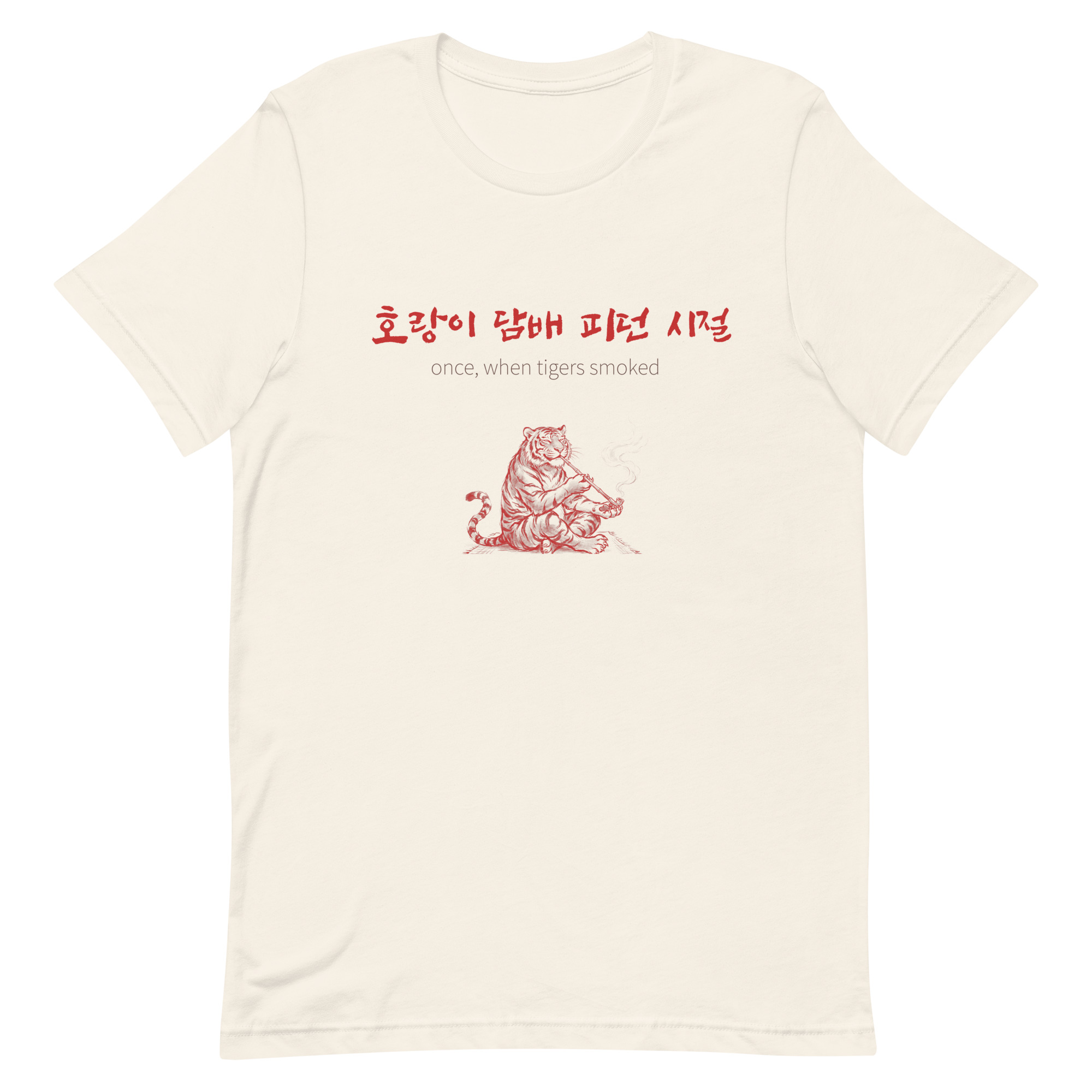
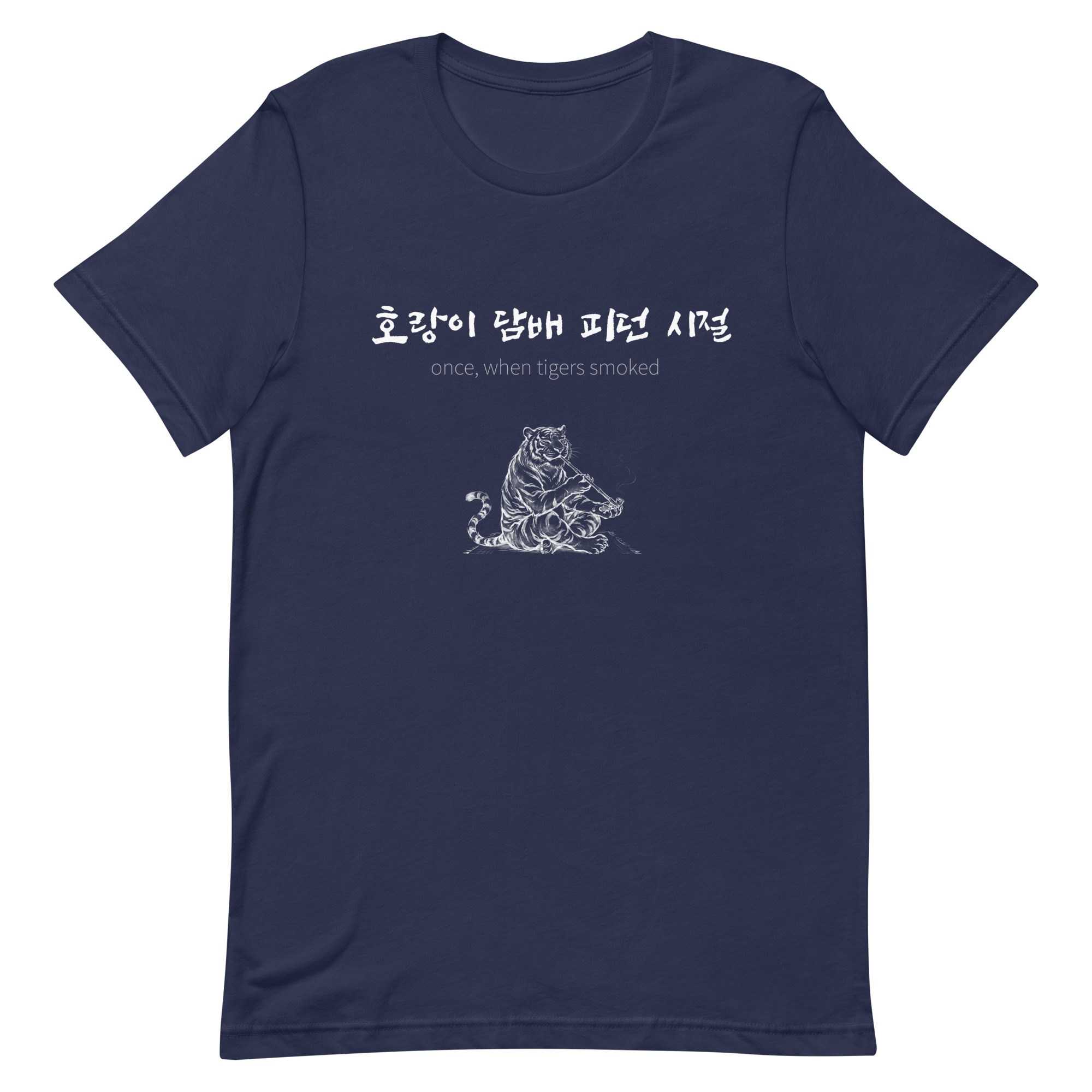
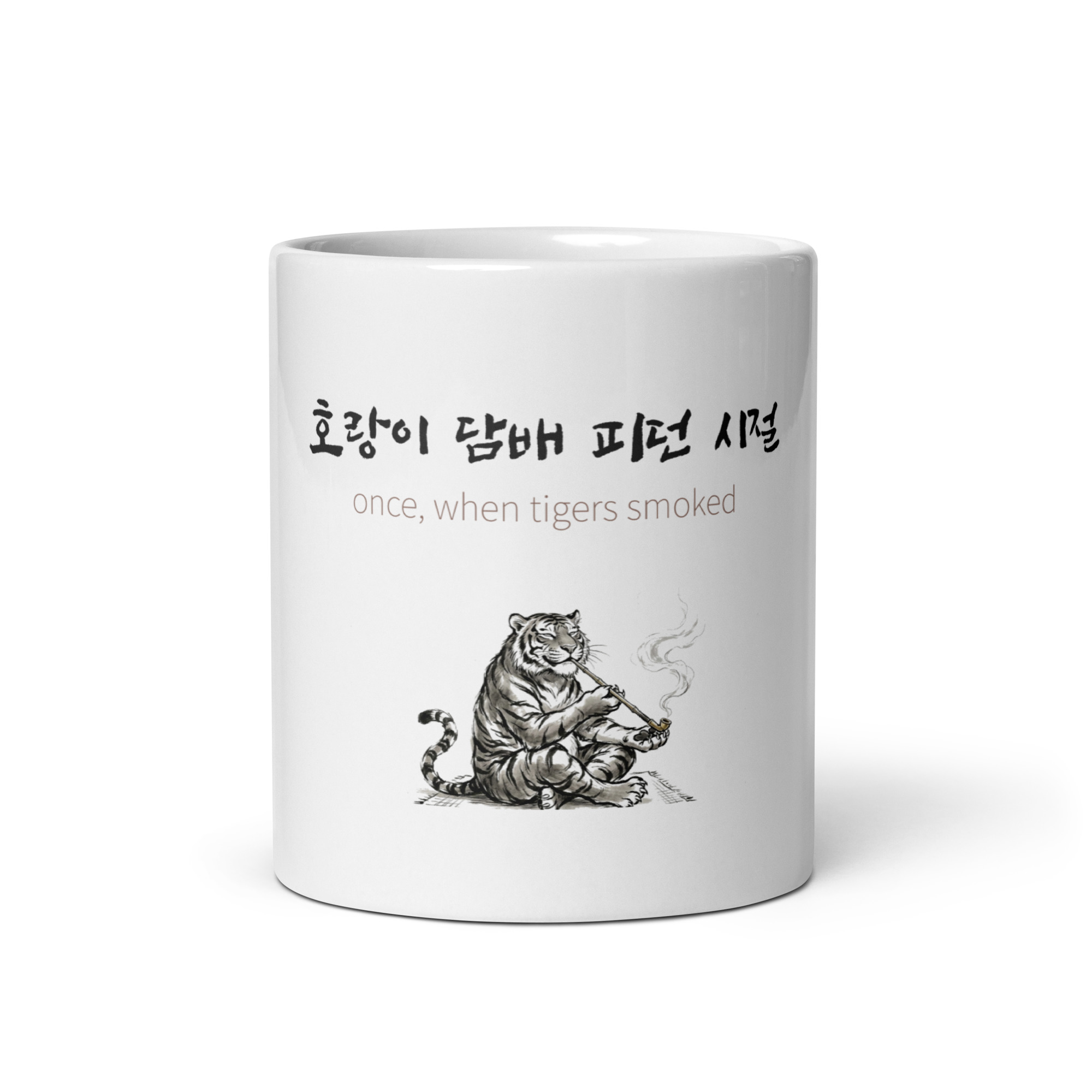
호랑이 담배 피던 시절
once, when tigers smoked
Every Culture Has a Way of Saying “Long, Long Ago”
Once upon a time. In a galaxy far, far away. A long time ago in a land before memory. Every storytelling tradition needs a way to signal that you’re about to leave the present behind and enter the world of myth. In Korean, that phrase is wonderfully specific: 호랑이 담배 피던 시절 (horangi dambae pideon sijeol) — “back when tigers used to smoke.”
Yes, smoking tigers. It sounds absurd, and that’s entirely the point. The phrase appears at the beginning of Korean folk tales the way “once upon a time” opens Western fairy tales. But where “once upon a time” is vague and dreamy, the Korean version paints a vivid, slightly ridiculous picture: an era so ancient and so different from our own that even the tigers had picked up bad habits.
The Tiger in Korean Culture
To understand why this phrase works, you need to know about the tiger’s place in Korea. The Korean tiger — 호랑이 (horangi) — is everywhere in the country’s mythology. It’s the creature that, alongside a bear, sought to become human in Korea’s founding myth — though the tiger famously gave up the challenge out of impatience. It appeared on the gates of palaces, on the covers of folk tale collections, and even as the mascot of the 1988 Seoul Olympics.
But the Korean tiger isn’t just fearsome. In folk tales, it’s often outwitted by clever rabbits, tricked by woodcutters, and generally portrayed as powerful but not too bright — a lovable bully. The image of a tiger sitting around smoking a pipe fits perfectly into this tradition of affectionate humor. It takes the most iconic creature in Korean mythology and makes it relatable, almost neighborly.
Why We Made This Design
We chose this phrase because it’s one of the most charming things about Korean storytelling. It takes the universal need to say “a very long time ago” and turns it into something you can actually picture — a tiger, sitting on a mountain, puffing away. Wearing this design is carrying a piece of Korean imagination: funny, specific, and impossible to forget once you’ve heard it.
Wear the Word
You Might Also Like